Nate's Journey
Our Little Fighter
The whole story, the way we lived it — the scary parts and the ones worth cheering for.
May 2,2025
Nate arrives
Our son Nate was born and instantly became the center of our world.
Late June2025
Something's wrong
At eight weeks old, Nate began vomiting and became unusually sleepy. At CHOP, imaging showed hydrocephalus caused by a rare choroid plexus tumor.
Oneweek
Three surgeries
Over the next week, Nate underwent three surgeries, including an EVD placement and biopsy. Because he was so young and the tumor so vascular, a shunt controlled the hydrocephalus and gave him time to grow.
Jan 2,2026
The comeback
Six months later, bigger and stronger, Nate's neurosurgeon completed a gross total resection. Recovery later required another shunt, but Nate did amazing.
Today
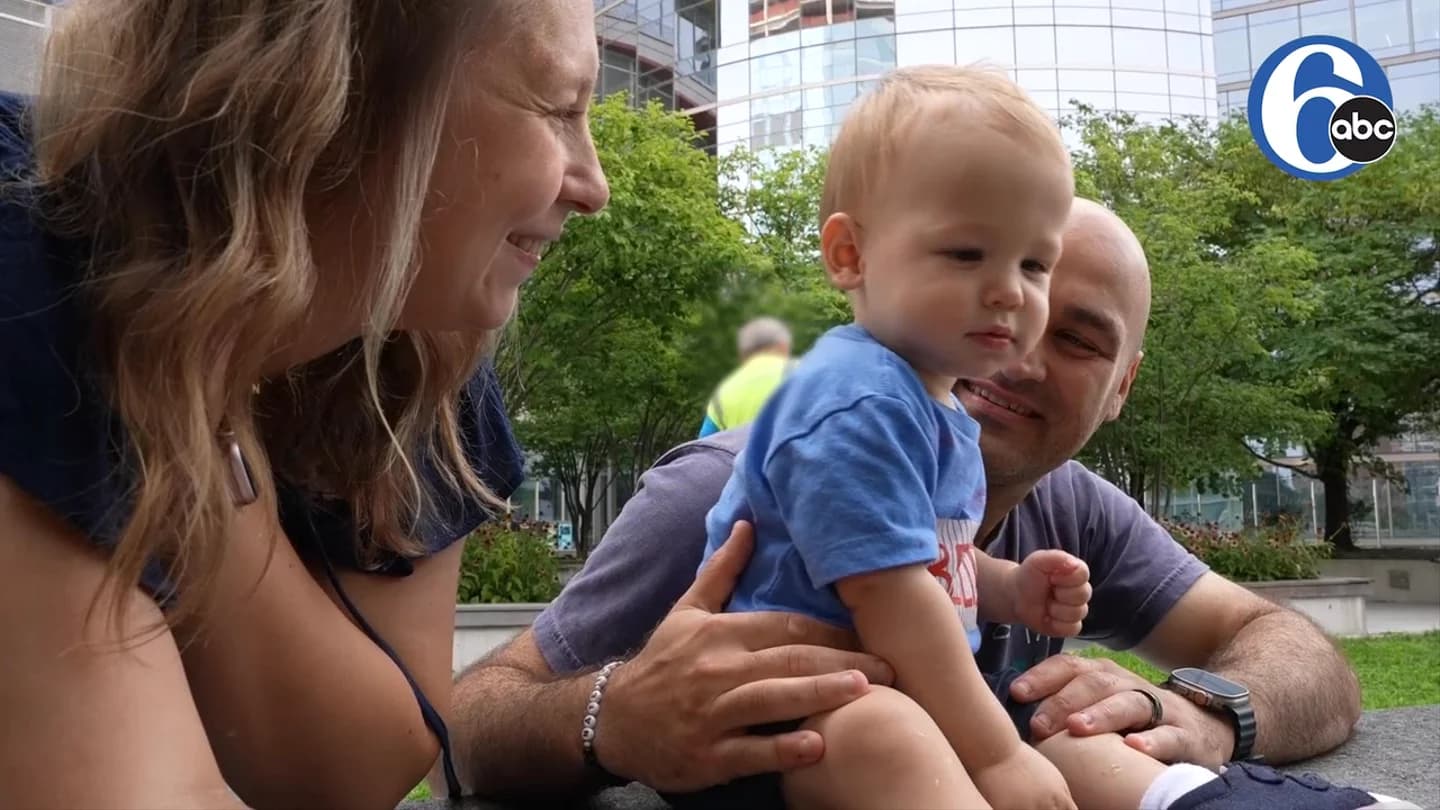
Home, crawling, grinning
Nate is home and thriving — crawling, pulling himself up, smiling at everyone, and the happiest kid in any room. He's here because of the extraordinary team at CHOP.
One very tough cookie.

Read the full story — diagnosis, surgeries, recovery, and the care team that saved his life — on the Pediatric Brain Tumor Foundation site.
Read Nate's Full Story


Sharing Nate's Story
Sharing Nate's story is our way of honoring the care that saved him, helping other families spot concerning signs sooner, and raising money to fund research so that treatments exist for the next child who needs them.
Rally Around Nate The Great
This is when we're at our best.
Nate was born on May 2, 2025. In late June, he began vomiting and became unusually sleepy. At CHOP, imaging showed hydrocephalus caused by a rare choroid plexus tumor.
Fitler Square Rallies Behind "Nate the Great"
A community rallies around a family facing their toughest challenge
Because complete resection was not safe at first, Nate had a shunt placed to control hydrocephalus and came home to grow. On January 2, 2026, his neurosurgeon completed a gross total resection.
Weekly Dose of Optimism #163
not boring • week 163
Sharing Nate's story is our way of honoring the care that saved him, helping other families spot concerning signs sooner, and raising money to fund research for the next child who needs treatment.